
Packing an item
When sending items with the prepaid Vinted-generated shipping label, make sure they are packed properly and comply with our Catalogue Rules and the prohibited items list (added at the end of this article).
You may not receive a refund or compensation if you ignore these rules and the parcel gets damaged in transit.
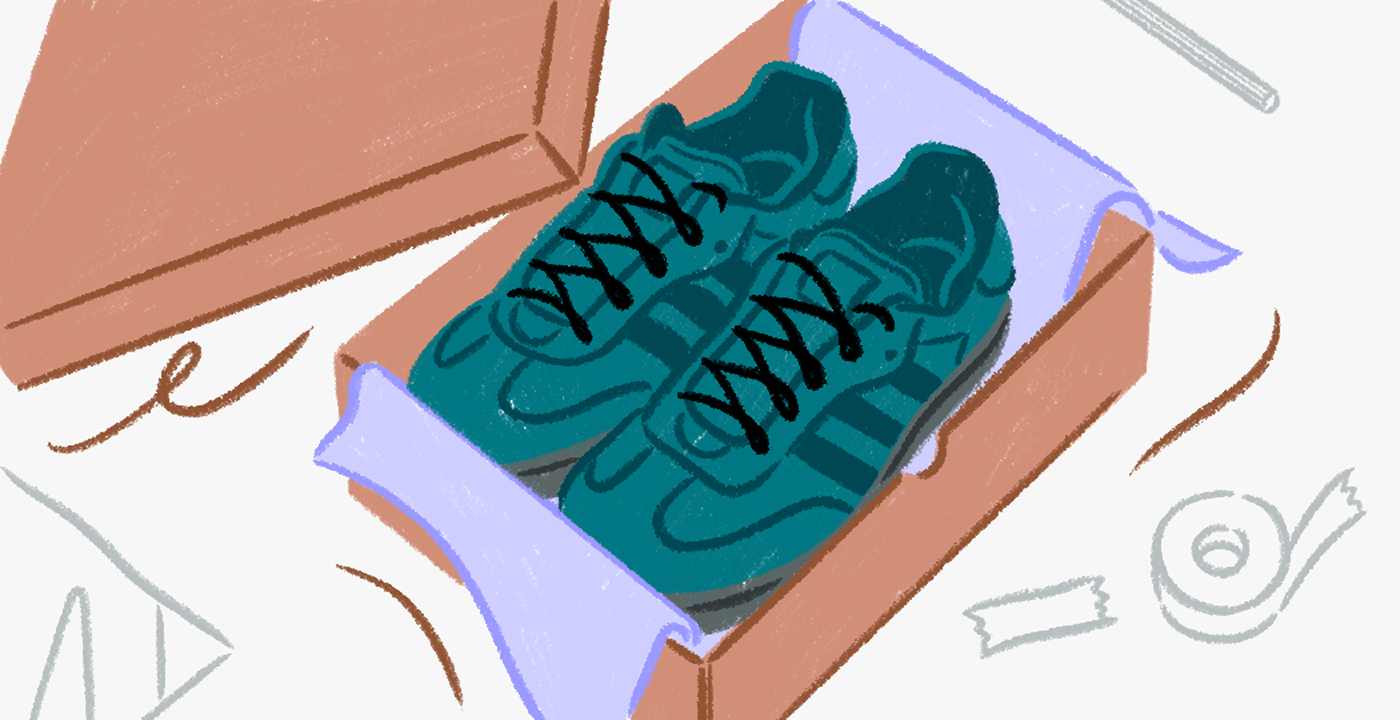
- Use sturdy outer packaging that snugly fits the item.
For example, a cardboard box to protect the item from dirt and moisture, or carrier-provided packaging, such as a padded waterproof envelope or bag, if available. Don’t use bags without padding inside. - Fill the empty space inside with bubble wrap, paper, foam, or similar material to prevent movement and contact with the outer packaging during transit.
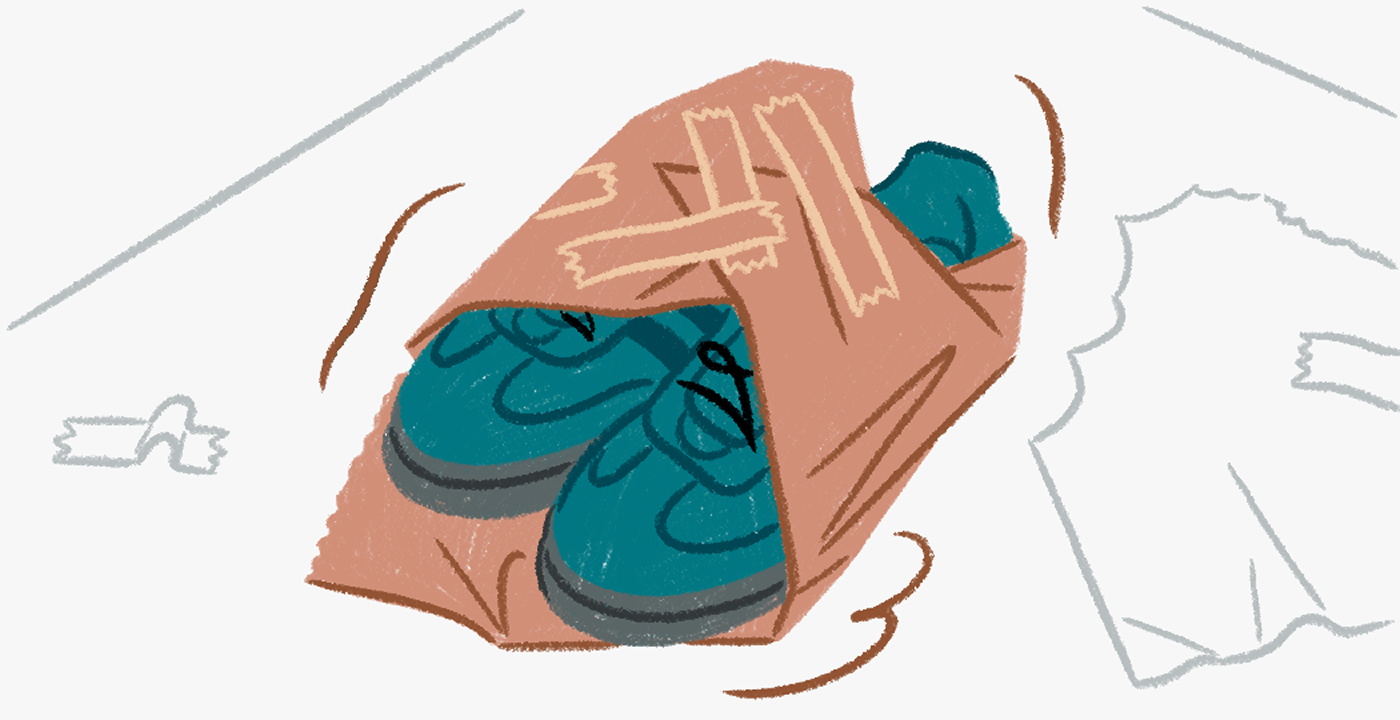
- Seal the parcel with strong tape to provide extra protection and prevent the item from falling out.
- Stick the shipping label flat on the largest side of the parcel, ensuring the barcode is fully visible. Secure the label’s edges with strong tape. Remove any old labels.
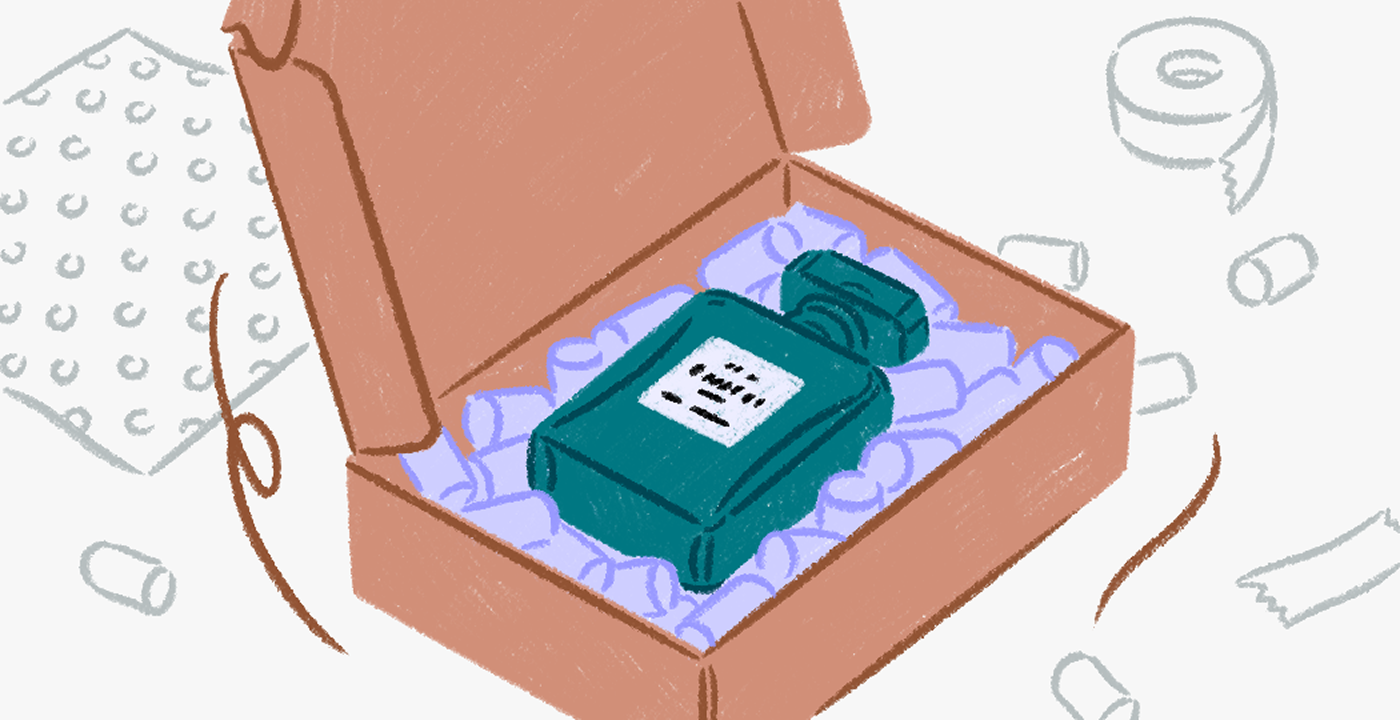
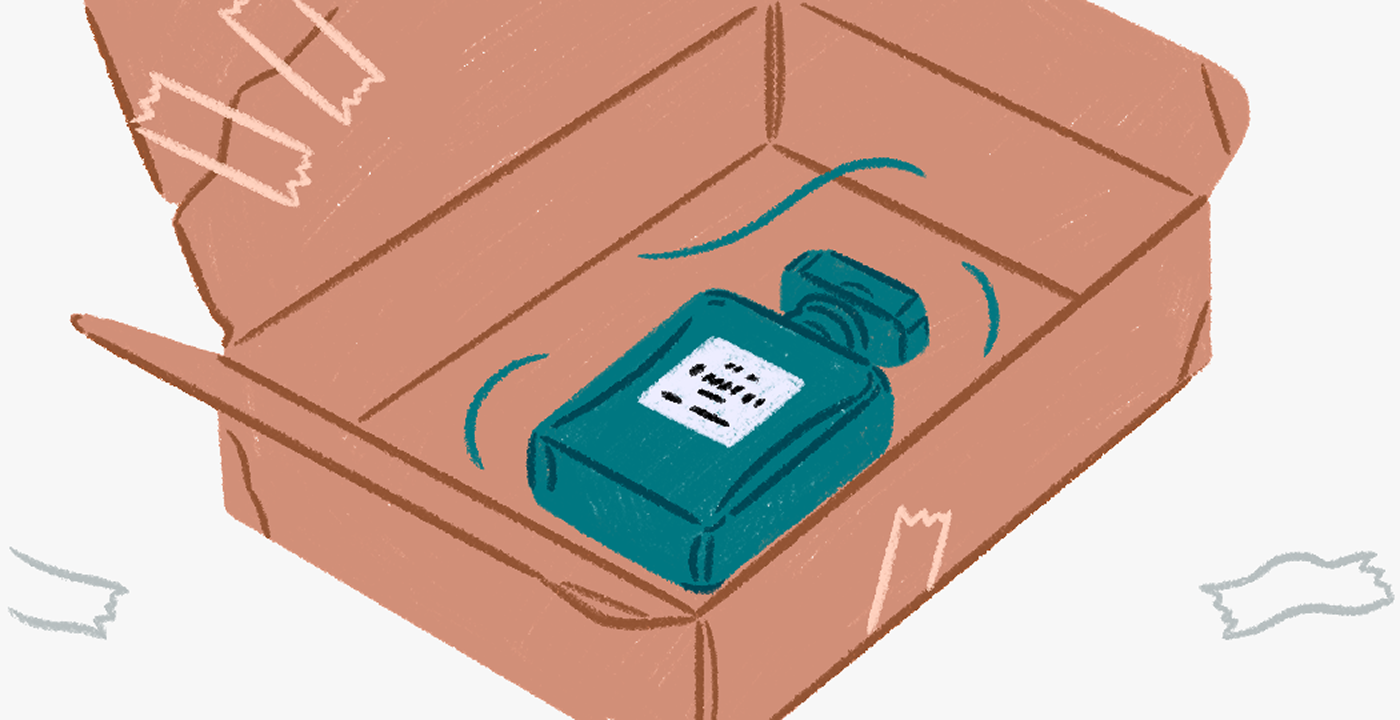
- For fragile items, always use a sturdy box, not a plastic bag. Stick a “Fragile” label on the parcel. Separate each fragile item with bubble wrap or other cushioning material.
- For bundles, place all items in one parcel (no more than two electronic devices with batteries, see below). Make sure each item is securely wrapped and not moving inside.
If unsure, always follow your carrier’s packaging requirements.
NoteWe recommend taking photos of the item and the packed parcel (inside and outside) before shipping. If the buyer reports any issues during transit, these photos may help resolve the issue faster.
Clothes, shoes
Toys, cosmetics, fragile items
Electronic devices, home appliances
Books


Find more detailed requirements for specific item types below:
Packaging requirements for dangerous goods (such as electronic devices with batteries)
Dangerous goods are items that pose a risk to health, safety, or the environment during transportation. These can include batteries and electronics.
- If the device has a battery. The battery must be installed to prevent short circuits. Ensure batteries are safe to ship, as defective or damaged ones (for example, swelling, corroding, leaking) can be extremely dangerous and are prohibited. Also, make sure the device is turned off. A maximum of two batteries can be included per package.
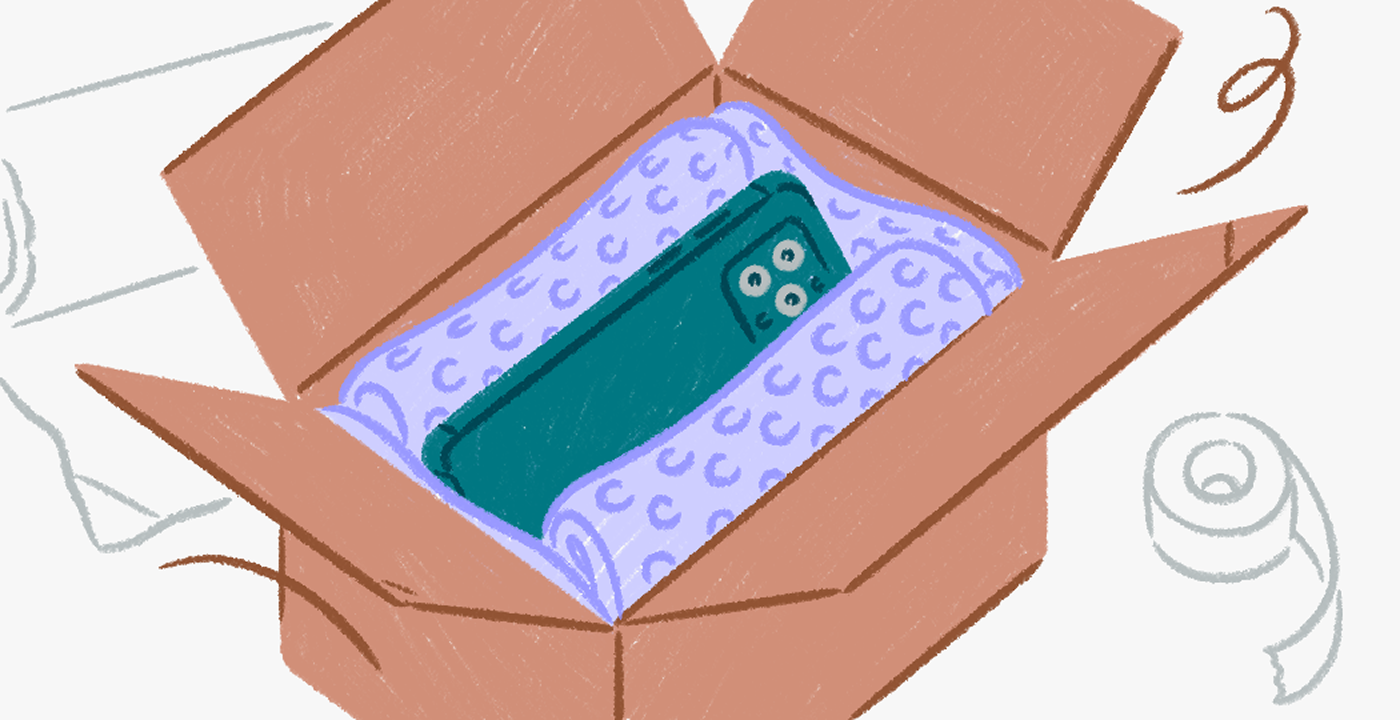
- Inner packaging. Wrap the device in several layers of bubble wrap (or similar cushioning) so there’s padding on every side — including the top and bottom. The device should never sit directly against the cardboard.
- Outer packaging. Place the inner packaging in a strong outer box (preferably double or triple-walled). Use foam pellets, cardboard, or air pillows to fill gaps and prevent the device from moving. Make sure the packaging is sturdy enough to handle drops without damaging the device.
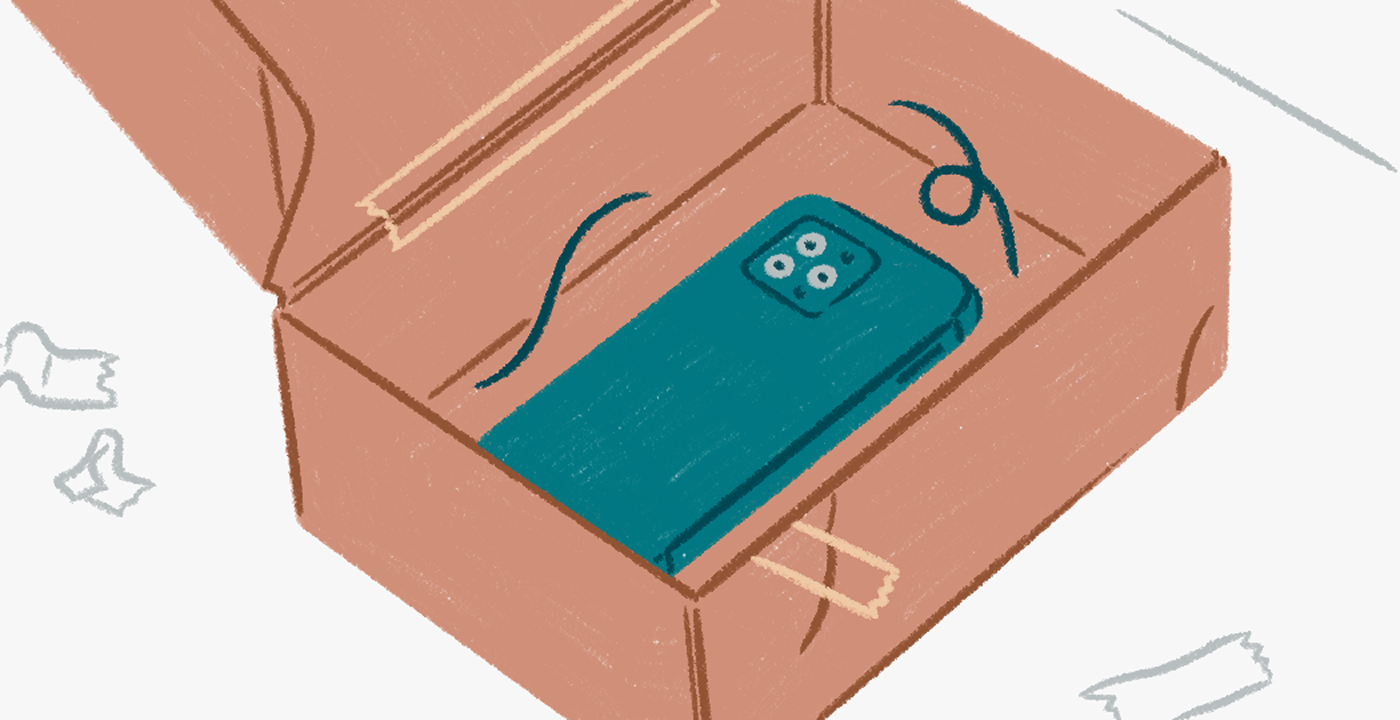
- Carefully seal the outer box to ensure it will not open during transportation. Make sure that such parcels are marked with a special label — “Fragile”.
For instructions on disconnecting accounts, factory resetting, and packing electronics, see prepare your electronic items for shipping.
Packaging requirements for heavy-bulky items
- Disassemble when possible. Dismantle larger items, like bed frames or shelving units, to reduce the risk of damage. Use bags or pouches for tiny components so they don’t get lost.
- Protect edges & corners. Apply corner protectors or padding to prevent damage during transit.
- Use strong, durable boxes to pack smaller components, fragile parts, or any other item parts that can fit in a box.
- Bubble wrap & foam. Wrap each piece individually, using bubble wrap, foam, or blankets for protection.
- Securely seal your parcel(s) with strong packing tape, ensuring all seams and edges are tightly closed to prevent openings during transit.
- Add a label with care instructions. Mark your parcel with necessary handling instructions such as "Fragile," "This side up," or "Heavy" to alert the carrier.
- Prepare the area for the item pickup. Remove any obstacles between the item and the exit (such as rugs, furniture, etc.), protect wall art or fragile items and move them out of the way, cover the floors and protect wall corners from damage during the pickup.
Some items are prohibited from being sent with our integrated carriers — check the full list below.
Carrier-prohibited items list
- Illegal, unsafe or obscene items:
- electronic devices with damaged or swollen batteries
- weapons
- ammunition or explosives
- flammable, toxic or radioactive substances and waste
- pressurised containers (containing gases, liquids, etc.)
- medical waste
- narcotic or psychotropic substances
- goods that were obtained illegally
- goods that fail to comply with international conventions or the laws of the destination country, whether during transportation to, from, or through the respective locations
- goods that require a license or special permits
- goods with inscriptions or images of an offensive or obscene nature (including pornographic material)
- Valuable or controlled goods:
- securities, stamped paper, financial instruments, negotiable documents, or other valuable papers with monetary or legal significance
- products that require state-issued particular documents and transport authorisations
- lottery tickets
- goods that require value declaration
- identity cards or other types of identity documents
- cash or bank cards
- electronic cigarettes
- tobacco products or alcoholic beverages
- live or dead animals or plants
- human remains or body parts
- any items considered archeological artefacts, cultural goods, or cultural heritage
- Items that require special handling:
- devices with large capacity batteries (100 watt-hour or more).
- Note: You can find the battery's Wh rating directly on the battery or in the device manual/technical specification.
- perishable or infectious goods
- temperature-sensitive goods
- unpackaged items
- liquids or ice
- damp or leaking parcels or parcels that emit any odour
- metals or stones
- magnetized materials
- sheet metal, crates, demijohns, boats, farm machinery, or any machinery that can’t be palletised
- motor vehicles or tyres
- goods for exhibitions or trade fairs
- glass panes (screens, mirrors, glazing, etc.)
- household goods
- monitors or television sets